
PHOTOBIOMODULATION THERAPY
FOR DRY AMD
The First and Only FDA-Authorized Treatment for Early to Intermediate Dry Age-Related Macular Degeneration
Valeda Light Therapy
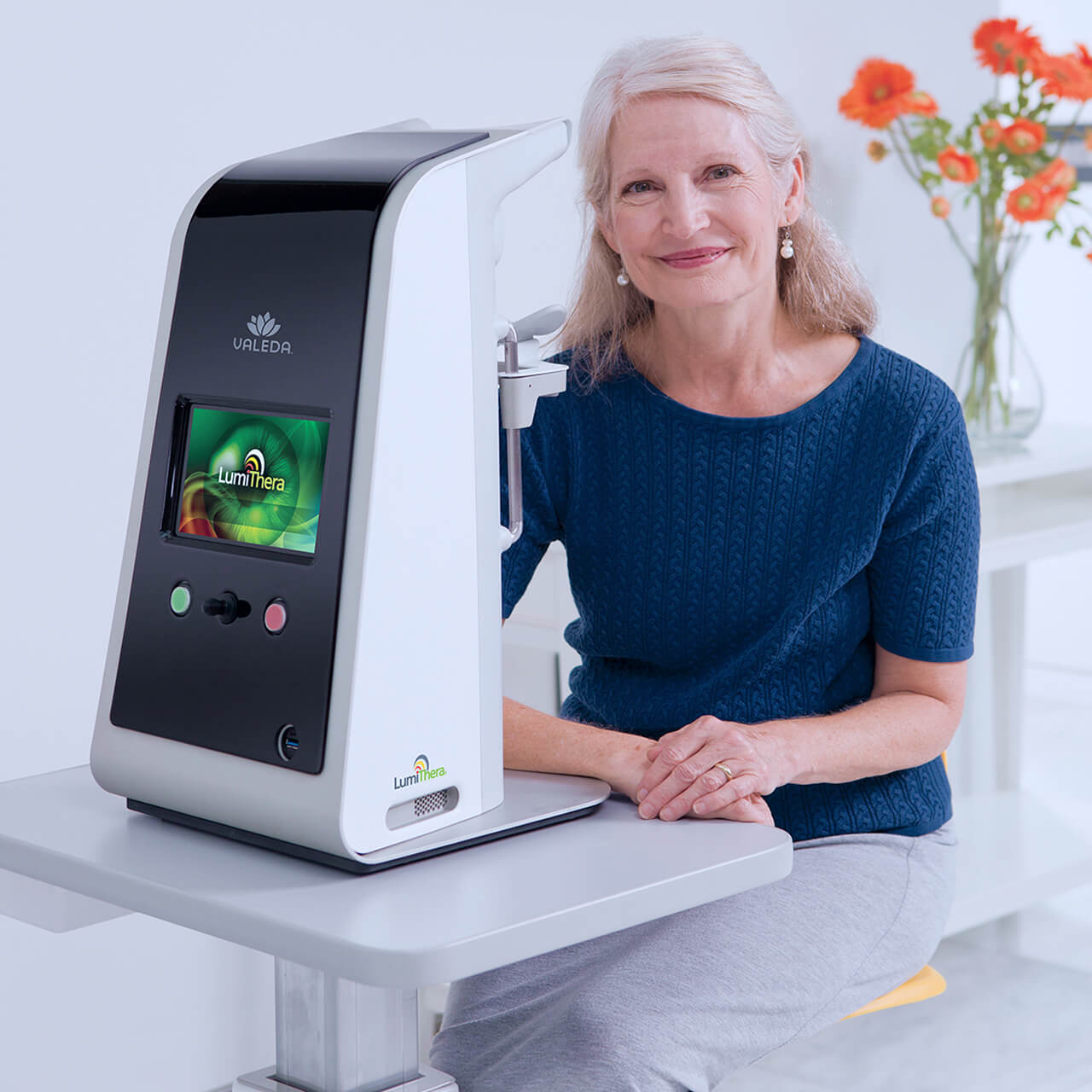
California Retina Consultants is proud to offer the first and only FDA-authorized treatment designed to slow the progression of dry age-related macular degeneration. LumiThera's Photobiomodulation Therapy is a non-invasive light treatment delivered through the Valeda® Light Delivery System. This advanced therapy aims to stabilize vision, reduce the risk of further vision loss, and enhance overall quality of life.
To qualify for the Valeda treatment, patients must undergo an evaluation which includes dilation and retinal imaging by a provider at California Retina Consultants to confirm eligibility.
If eligible, a dedicated patient consultant will work with you closely from evaluation to treatment!
About Age-Related Macular Degeneration
Age-related macular degeneration (AMD) is a leading cause of vision impairment in older adults. This condition occurs when the cells in the macula, the central part of the retina, begin to deteriorate and lose their effectiveness. As AMD progresses, symptoms may include visual distortion, blurred central vision, difficulty with reading or tasks that require close-up work, and challenges adjusting to changes in light.
AMD is classified into two types: dry and wet. Dry AMD is the more common form. The severity of dry AMD can range from mild to severe, but vision decline typically occurs more slowly compared to wet AMD.
To learn more about age-related macular degeneration (AMD), click here.
How the Treatment Works
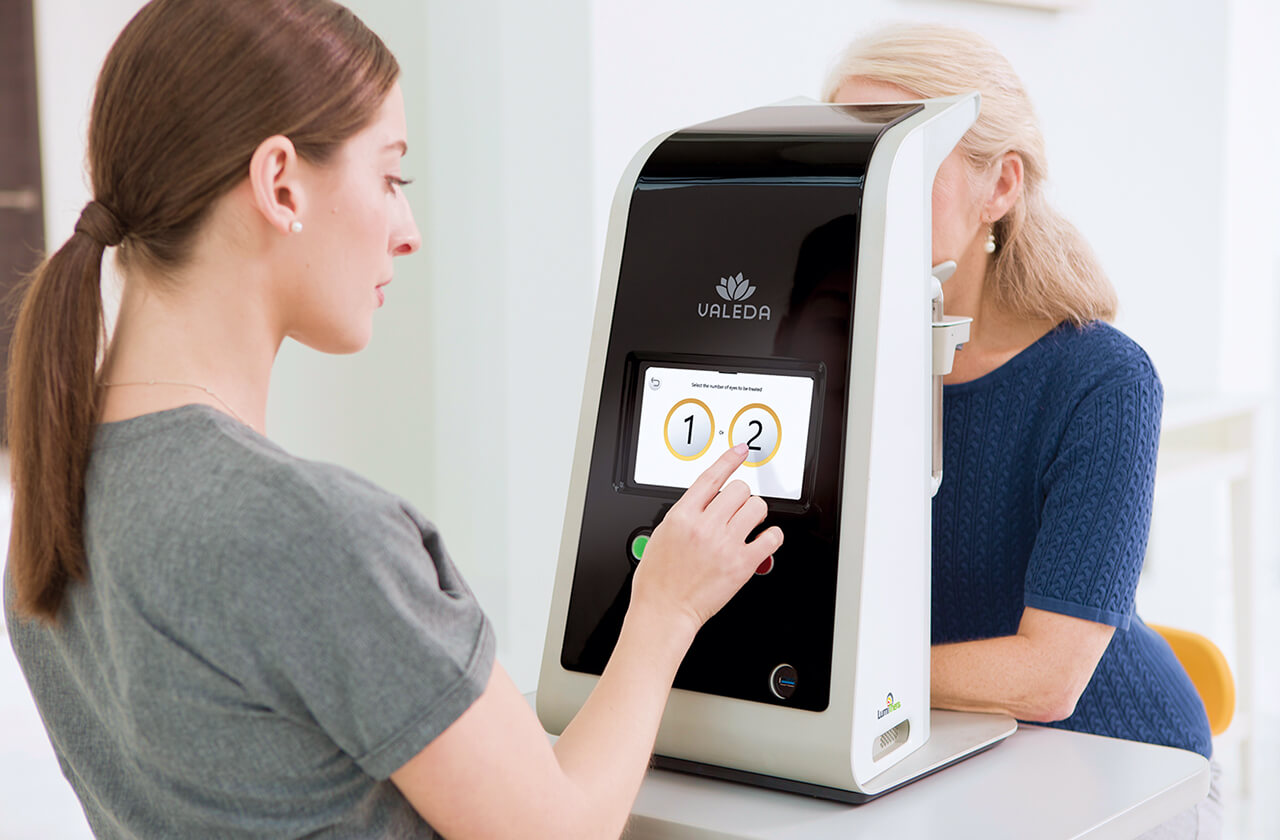
Maintaining healthy eye cells is crucial for clear vision, especially as we age, when these cells may deteriorate and lose their function. LumiThera’s Valeda® Light Delivery System uses specific wavelengths of light therapy to enhance energy production in these cells, thereby improving their function. This process works through several mechanisms:
Enhancing blood circulation to the retina and its supporting structures
Promoting the production of nitric oxide, a vital compound for the health of blood vessels
Activating mitochondria, the tiny particles within cells responsible for energy generation
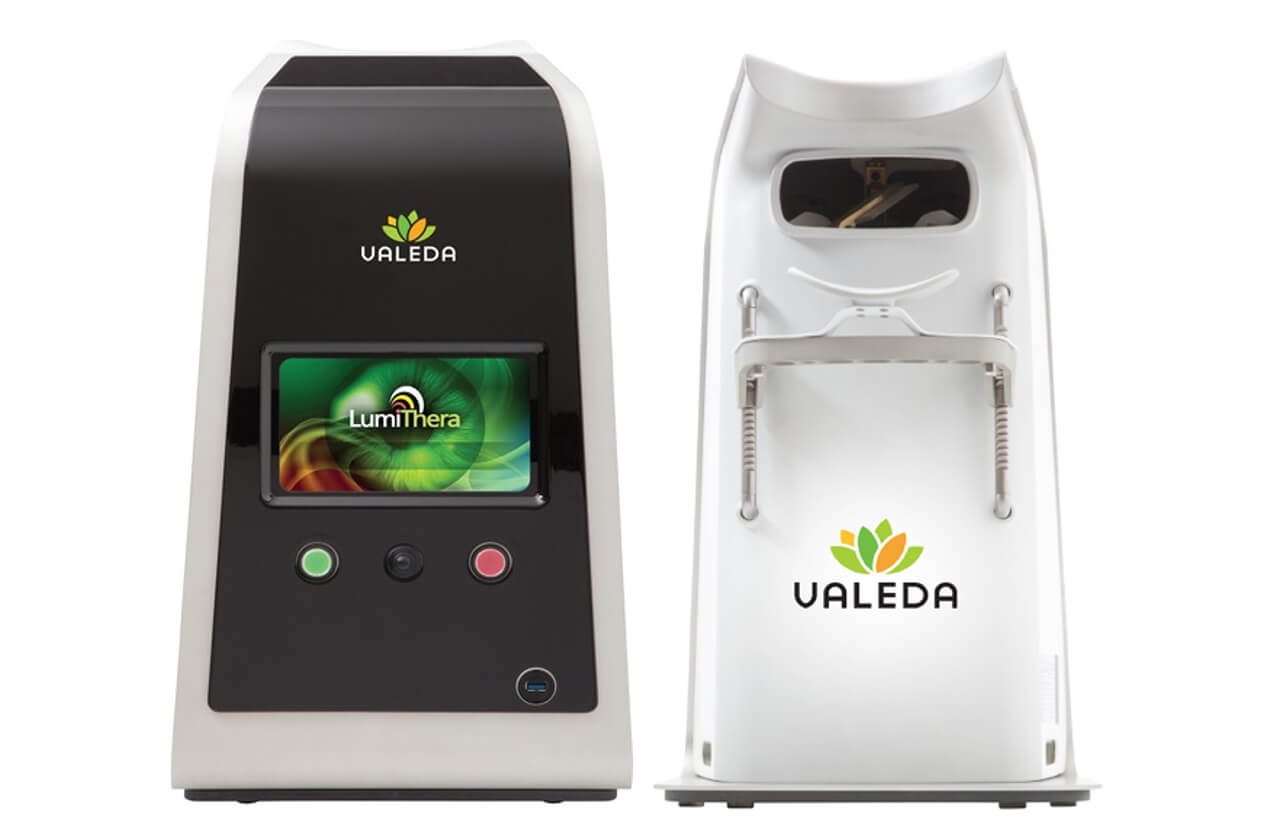
The Valeda® device is the first specifically created for the treatment of Dry AMD.
What to Expect
Consultation Visit
Your first appointment is a consultation with one of our providers to determine whether Valeda® treatment is right for you. This visit includes a comprehensive retinal evaluation and may involve:
A dilated eye examination
Retinal imaging
Review of your medical and ocular history
Discussion of whether you are a candidate for Valeda® treatment
Review of treatment expectations and financial responsibility
If you are a candidate and decide to proceed, our team will help schedule your treatment sessions.
Treatment Visits
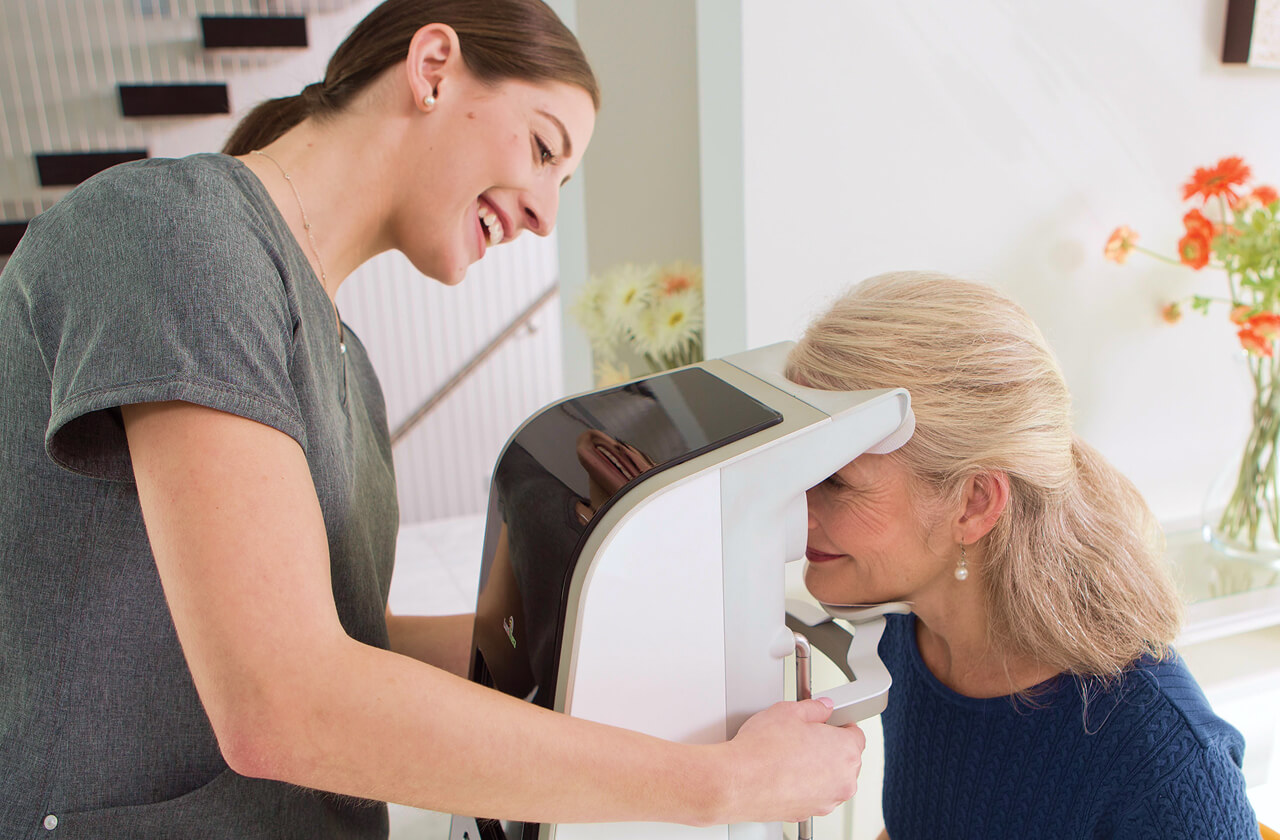
Valeda® treatments are performed in the office and require little to no preparation. Simply remove your glasses or contact lenses before treatment. The procedure is quick, painless, and non-invasive, involving no injections, medications, or eye drops.
Treatment Schedule
One treatment course consists of nine treatment sessions.
Treatments are completed up to three times per week over three to five weeks.
Each treatment session lasts only a few minutes and delivers three therapeutic wavelengths of light.
Treatment may be performed in one eye (unilateral) or both eyes (bilateral), depending on your physician's recommendation.
Most patients report no discomfort during treatment and are able to resume their normal daily activities immediately afterward. Some patients notice a temporary afterimage that typically fades within a few minutes.
Insurance Coverage
Insurance coverage for Valeda® photobiomodulation therapy varies by insurance plan. Our team will verify your benefits and review your anticipated financial responsibility before treatment begins.
Patients choosing to pay out of pocket are also welcome. Current self-pay pricing and payment options will be discussed during your consultation to ensure you have the information needed to make an informed decision.
The Clinical Research Behind Light Therapy
Three multicenter clinical studies, known as LIGHTSITE I, II, and III, were conducted at top retinal centers nationwide to evaluate the safety and effectiveness of the now FDA-authorized Valeda® Light Delivery System. Participants in these trials were individuals diagnosed with early to intermediate stages of dry AMD.
The LIGHTSITE Phase III trial lasted 24 months and enrolled 148 eyes from 100 participants who received either Valeda® PBM or a placebo (sham) treatment, delivered three times per week for several weeks at a time. Trial findings revealed that in the PBM group, approximately 55% of patients improved by at least five letters on the eye chart at the 13-month mark. This improvement was sustained at the 24-month mark. In contrast, the placebo group showed minimal improvement.
In addition to improvements in vision, participants in the LIGHTSITE Phase III trial receiving PBM treatment demonstrated a stabilization of drusen, the fatty deposits typically linked to dry AMD, while those given a placebo experienced an increase in these deposits.
Participants in the PBM trial also showed a decreased likelihood of advancing to severe stages of AMD. There were fewer instances of wet AMD and geographic atrophy (GA)—a severe form of dry AMD that results from the degradation of macular cells and can lead to permanent vision loss—in those treated with PBM. By hindering or delaying progression to these more advanced stages, patients may preserve their vision for a longer period.
For a closer look at the science behind Valeda®, visit the LumiThera website.
Indications for Use
Ideal patients are those who exhibit signs of early dry AMD, specifically the grades deemed appropriate for nutritional supplements, and have a visual acuity of 20/70 or better.
Patients with early to intermediate dry age-related macular degeneration may be candidates. Eligibility is determined by a provider following consultation and imaging. Valeda is not intended for wet AMD and may not be recommended for certain advanced forms of dry AMD.
Safety
When delivered to the retina, the Valeda® Light Delivery System technology is generally safe with minimal side effects. Studies report no damage to the eye or its photoreceptors, but some individuals may experience mild discomfort, eye strain, irritation, or temporary vision changes during or after treatment. However, these symptoms are rare and typically resolve quickly.
Clinical trials are ongoing, but current evidence suggests that Valeda® photobiomodulation is a powerful, low-risk treatment option for patients with AMD, especially in the absence of alternative effective treatments.
Contraindications
As a precaution, patients should not be treated with Valeda® if they have known photosensitivity to yellow or red light, near-infrared radiation, or a history of light-activated central nervous system disorders, such as seizures, epilepsy, or migraines.
Additionally, patients should not receive treatment within 30 days of using photosensitizing agents, such as topicals or injectables that are affected by light at 590, 660, or 850 nm, without first consulting a physician at California Retina Consultants.
Request an Appointment at California Retina Consultants
Valeda light therapy is currently offered at our Bakersfield, Oxnard, San Luis Obispo, Santa Barbara, and Valencia offices.
If you have Dry AMD, please schedule a consultation with us to learn more about Valeda® and determine whether you qualify for this treatment. If you’re already a patient with us, you can discuss this option with your doctor at your next appointment.
Available across 5 CRC locations, with one convenient number to reach a Valeda team member: (805) 259-3011
Bakersfield:
5555 Business Park South,
Suite 100
Bakersfield, CA 93309
San Luis Obispo:
862 Aerovista Place,
Suite 210,
San Luis Obispo, CA 93401
Valencia:
23501 Cinema Drive
Suite 109
Valencia, CA 91355
Oxnard:
2901 North Ventura Road,
Suite 250,
Oxnard, CA 93036
Santa Barbara:
525 East Micheltorena St,
Suite A,
Santa Barbara, CA 93103