Can High Blood Pressure Affect Your Retina? Understanding Hypertensive Retinopathy
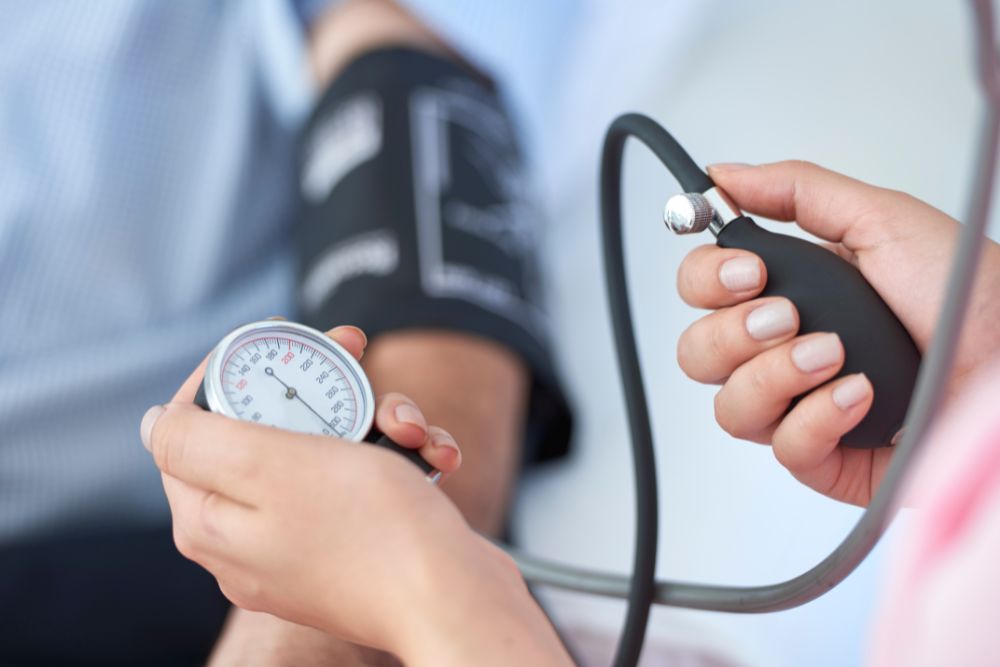
Many people are aware that high blood pressure can lead to heart disease and stroke, but its impact on eye health is frequently underestimated. Hypertensive retinopathy refers to damage to the retina from chronically elevated blood pressure, causing retinal blood vessels to narrow, leak, or become blocked, starving the light-sensitive tissue of oxygen and nutrients. Hypertensive retinopathy often has no noticeable symptoms in its early stages, so it’s important to understand this condition and take proactive measures to prevent vision loss.
Diagnosing Hypertensive Retinopathy
Those with hypertensive retinopathy typically don’t realize there’s an issue until the condition has advanced, making it crucial to maintain regular eye appointments and comprehensive retinal exams. There are three stages of hypertensive retinopathy: mild, moderate, and malignant (most severe).
Hypertensive retinopathy is typically diagnosed with optical coherence tomography (OCT), a noninvasive imaging method that uses reflected light to produce pictures of the back of the eye. Retina specialists will then look for the following signs:
- Narrowing of tiny blood vessels (arterioles)
- Thickening of the arterioles’ walls
- Small, yellow-white or grayish-white spots that look a bit like clouds (cotton wool spots)
- Yellow spots made of fats and proteins that leak from damaged blood vessels
- Tiny red dots (microaneurysms)
- Optic disc swelling (papilledema)
- Complications of Hypertensive Retinopathy
Hypertensive retinopathy complications include:
- Macular edema: Swelling in the macula due to leaky blood vessels, leading to distorted or blurry central vision.
- Blind spots and floaters: Reduced blood flow or nerve damage can cause visual field defects or dark spots.
- Retinal artery occlusion (RAO): Blockage of arteries supplying the retina, cutting off blood flow and potentially causing sudden vision loss.
- Retinal vein occlusion (RVO): Blockage of arteries supplying the retina, cutting off blood flow and potentially causing sudden vision loss.
- Ischemic optic neuropathy: Damage to the optic nerve from a lack of blood flow, impairing its ability to carry images to the brain.
- Retinal detachment: The retina pulls away from its supporting tissues, a serious complication that can lead to vision loss.
- Glaucoma: High pressure in the eye can build up, damaging the optic nerve.
- Malignant hypertension: A sudden, severe rise in blood pressure that can cause acute vision loss and is life-threatening.
The Importance of Comprehensive Support
Managing blood pressure effectively is essential for patients with hypertension, and doing so in collaboration with a primary care provider is key. Your primary care provider will work with you to develop a personalized treatment plan that often includes lifestyle changes and medication. Additionally, routine eye exams performed by retina specialists are crucial, as they can detect hypertensive retinopathy in its early stages, preventing complications that could lead to vision loss. By working together, your primary care doctor and retina specialist can help safeguard both your eye health and overall cardiovascular well-being.
Schedule an Appointment with a Retina Specialist
Early detection of hypertensive retinopathy is crucial for maintaining good vision. If you have hypertension, it's important to consult with a retina specialist. At California Retina Consultants, we can effectively diagnose and treat hypertensive retinopathy and associated conditions. Contact us today for more information or to schedule an appointment. We proudly serve patients throughout Central California, including Bakersfield, San Luis Obispo, Santa Barbara, and Valencia.